The process
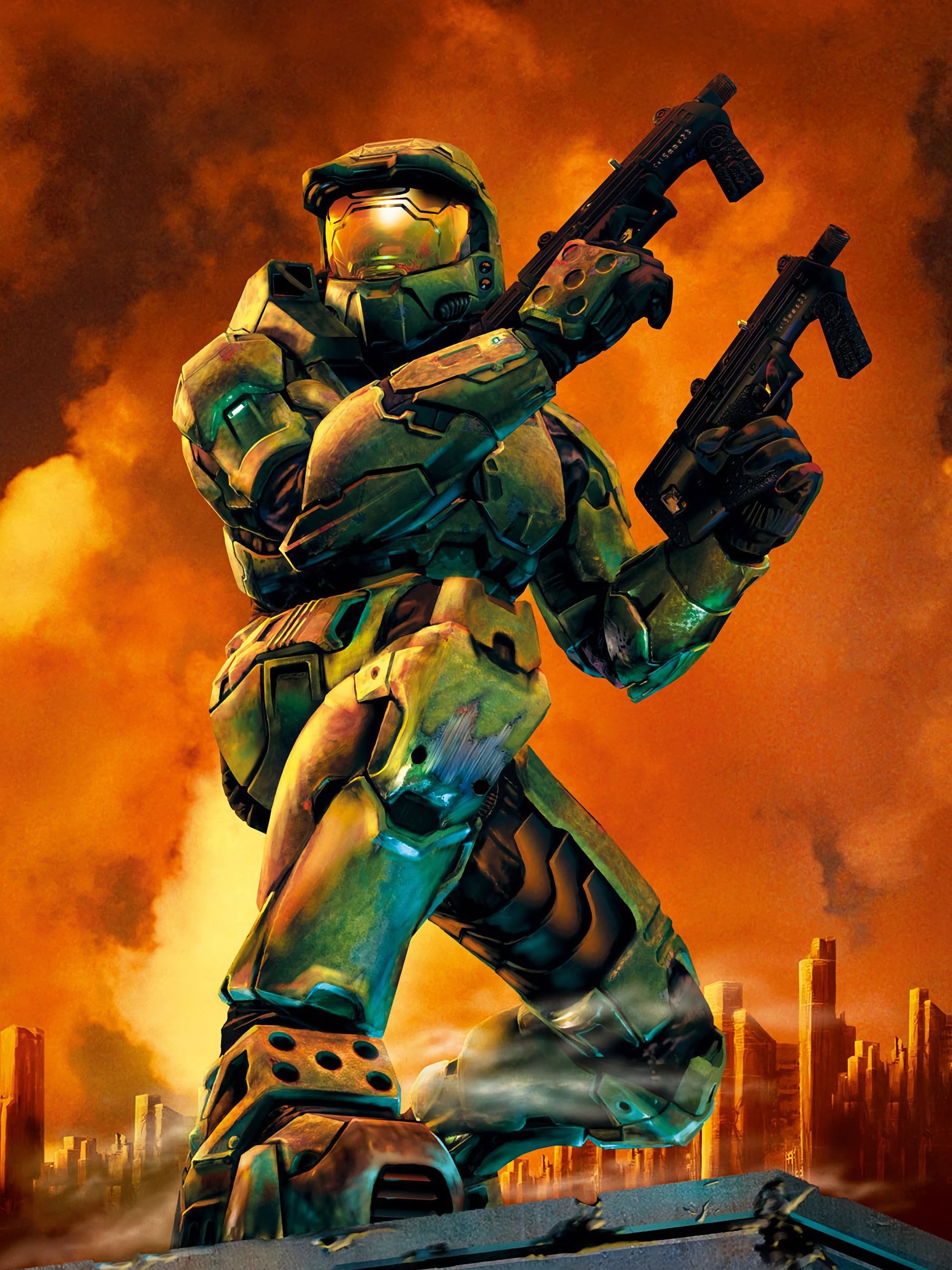
This one goes way back, but it had a huge impact on me. I worked on sound design and audio post, and it was the first time I really understood how much detail and problem-solving goes into game audio. Everything had to feel bigger and sharper than the first Halo, even though the hardware wasn’t exactly generous.
My job covered weapons, ambiences, combat reactions, and helping the world feel alive during both battles and quiet moments. The main rule was: every weapon needs to be instantly recognizable by sound. Human guns had dry, punchy gunshots, metal bolts, and shell hits. Covenant weapons were the opposite: crystal strikes, resonant metal, weird glass tones, guitar feedback. The Needler is basically chimes and shattered glass glued to a deep detonation. None of it was random. You had to know the weapon just by hearing it, even in a messy fight.
I worked closely with the Bungie audio crew to keep sound effects and score locked together emotionally, especially during story beats and big battles. Marty O’Donnell and Mike Salvatori composed the score and led the audio vision, and the implementation and technical side of Bungie’s audio engine was handled by Jay Weinland and his team. My job was making sure sound effects and music supported the emotional beats of the campaign. When the score swelled, the weapons and footsteps made room. When the game went quiet, we kept a pulse in the ambience so it never felt empty.
People forget how primitive game audio was back then. No Wwise, no FMOD, no giant sample libraries, nothing modern. If we wanted variation, distance modeling, or dynamic mixing, we had to build it ourselves or hack the engine until it behaved. Everything had to be tiny, compressed samples, reused layers, tiny memory footprints. The ambition was modern, but the hardware was basically a toaster.
Multiplayer was the worst and best challenge: 16 players, grenades, guns, vehicles, chaotic maps, and it all had to stay clear. You needed priority rules so the important stuff cut through, even on cheap TV speakers. Today you mix for Atmos. Back then you hoped it didn’t turn into mud.
Halo 2 taught me that creativity doesn’t always come from fancy tools. Sometimes it comes from making something huge out of almost nothing. It was exhausting, inspiring, and I’d do it again in a heartbeat.